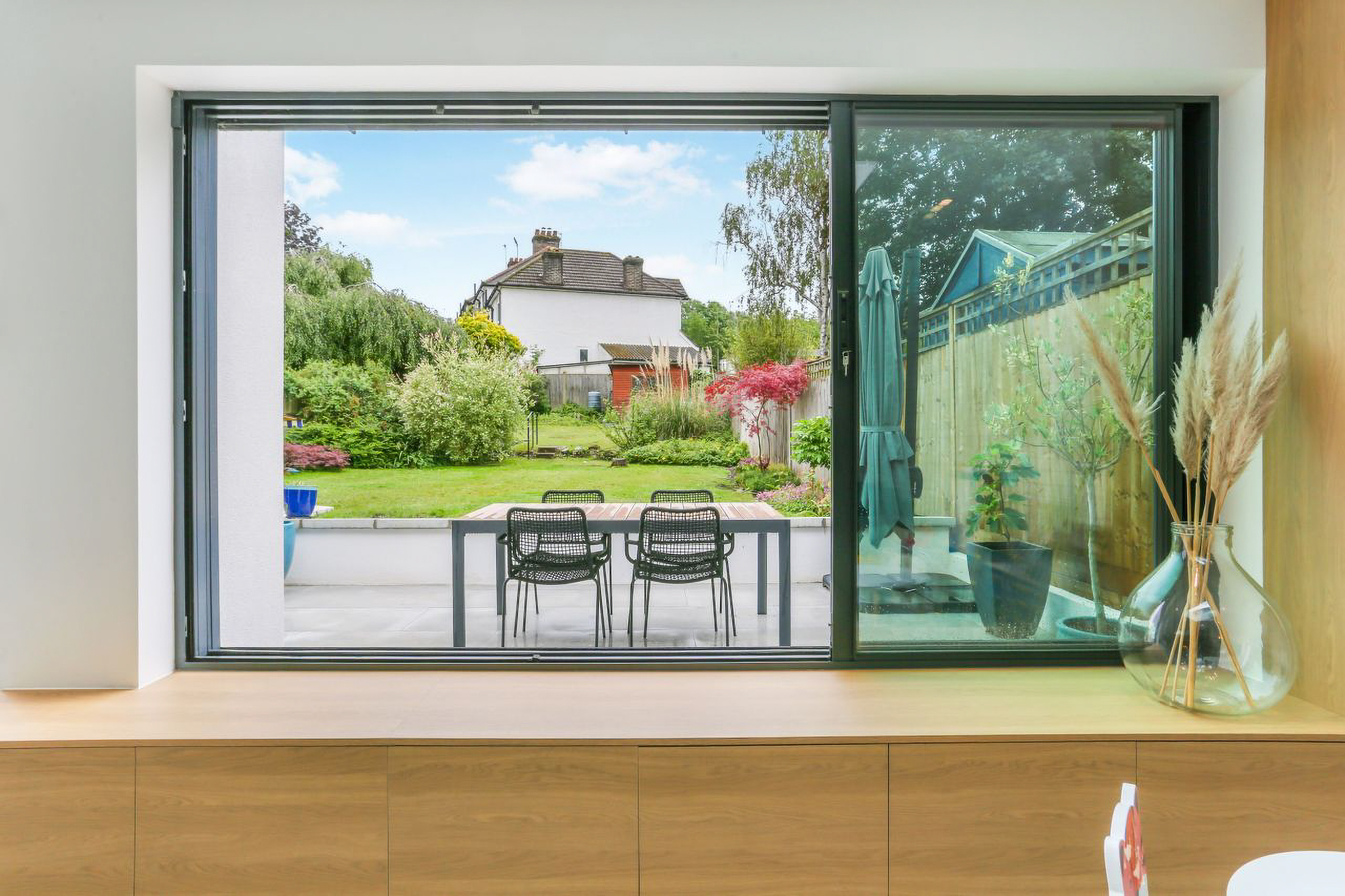
Frameless windows are fast becoming the go-to option for homeowners who want more light, cleaner design lines, and a seamless finish. But what are frameless windows exactly, how do they actually compare with traditional window styles, and are they right for your property?
No window is completely frameless. Every door and window marketed as “frameless” needs some kind of surround frame. The difference in these products is how the frame can be fixed within the structure of your extension or home to create a frameless appearance.
This guide explains the key differences between frameless and traditional windows across aesthetics, performance, cost, and installation. Whether you’re working on a new build, extension, or full renovation, we’ll help you make an informed decision.
Quick Comparison Table. Frameless vs Traditional Windows.
Feature | Frameless | Traditional |
Appearance | Clean, modern, minimal frame | Visible sash and frame |
Ventilation | Usually fixed | Often opening |
Glass Area | Up to 95% | Typically, 70–80% |
Suitability | New builds, modern extensions | All property types |
Maintenance | Specialist | Standard/glazier repairable |
Cost | Higher | More affordable |
What Are Frameless Windows?
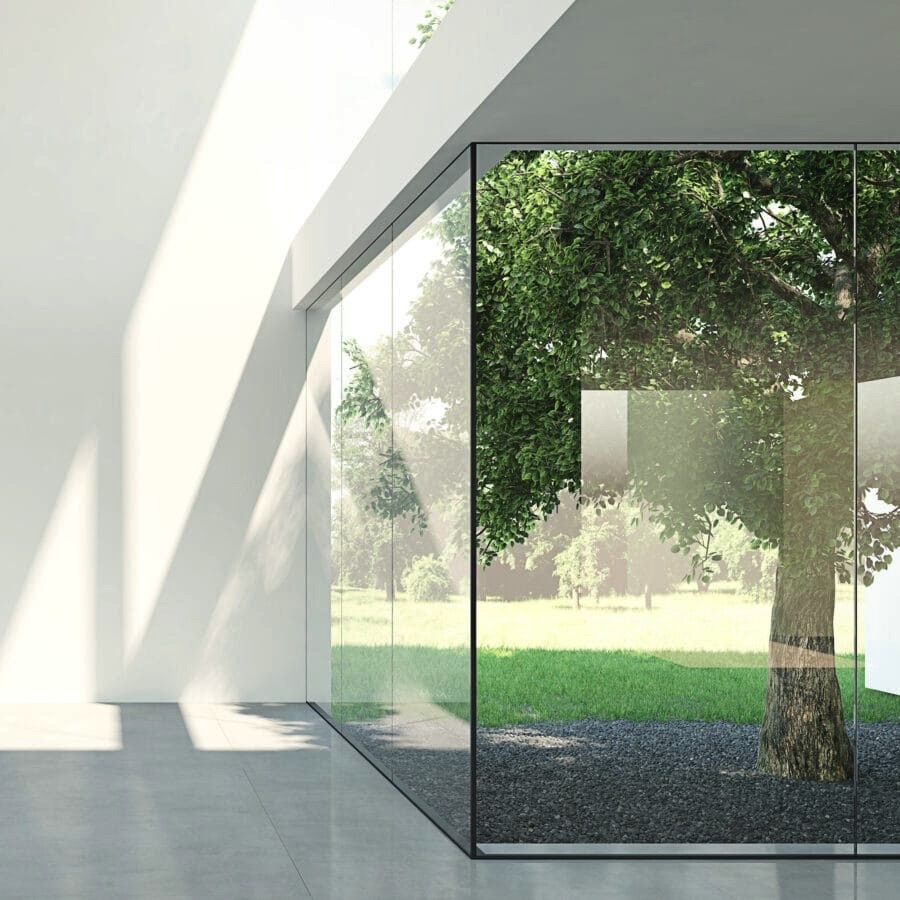
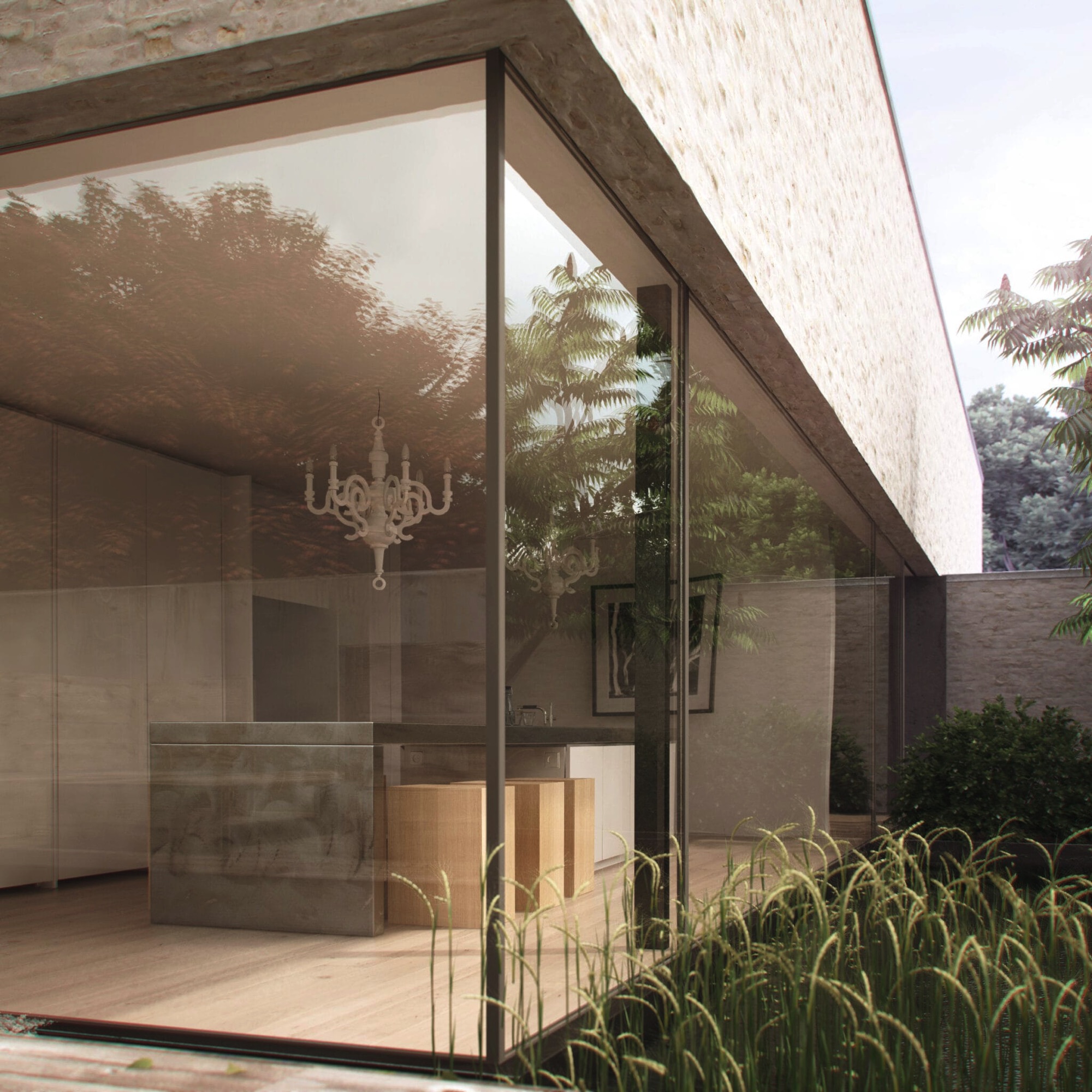
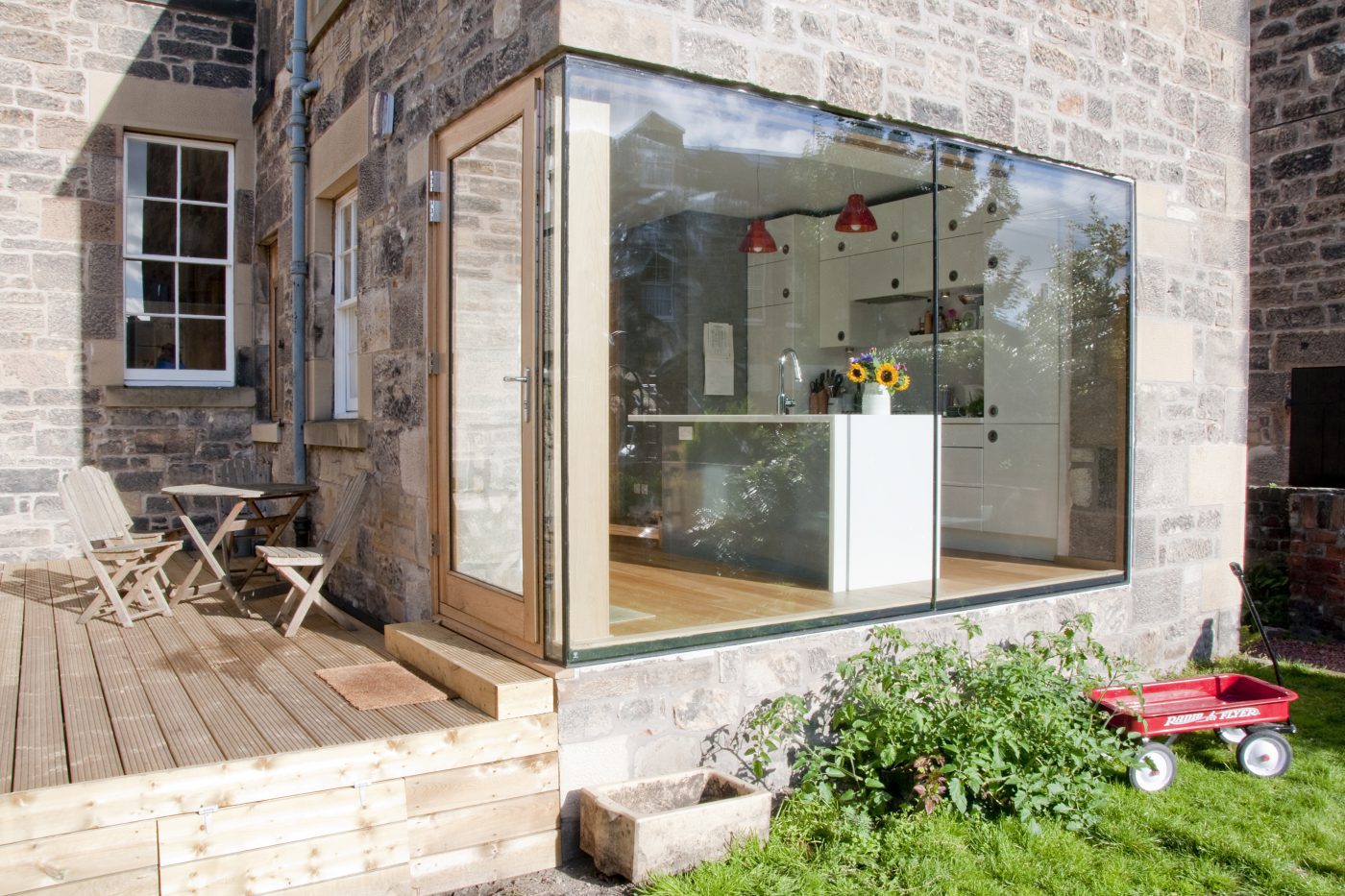
Frameless windows use structural glazing techniques to minimise or eliminate visible framing. The frameless appearance is particularly visible around fixed units or glass-to-glass joints. In most cases, the glass is either bonded directly into the building structure or held within concealed profiles or structural silicone. The result is a clean, modern finish that prioritises glass over frame.
At Glideline, our GW70 Frameless Window system combines structural bonding, slim edge details, and internal or external reveals to create uninterrupted views and a high-end architectural aesthetic.
Frameless windows can be:
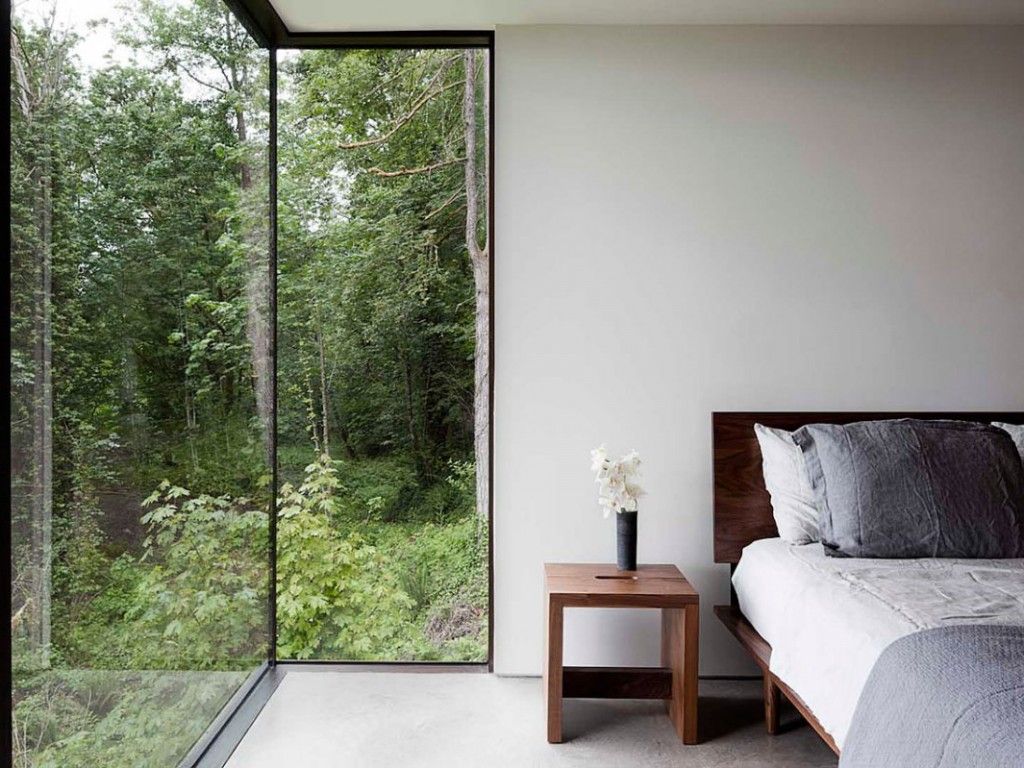
Glass-to-glass corner windows
Floor-to-ceiling fixed units
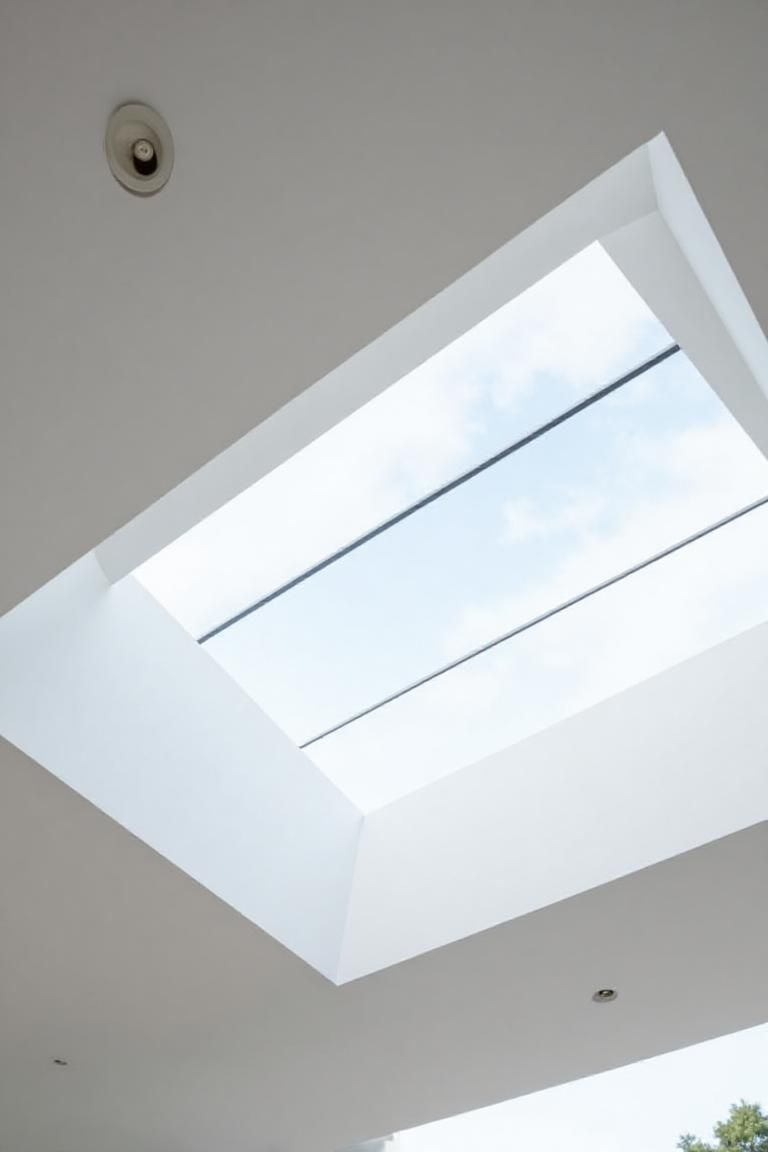
Slot windows
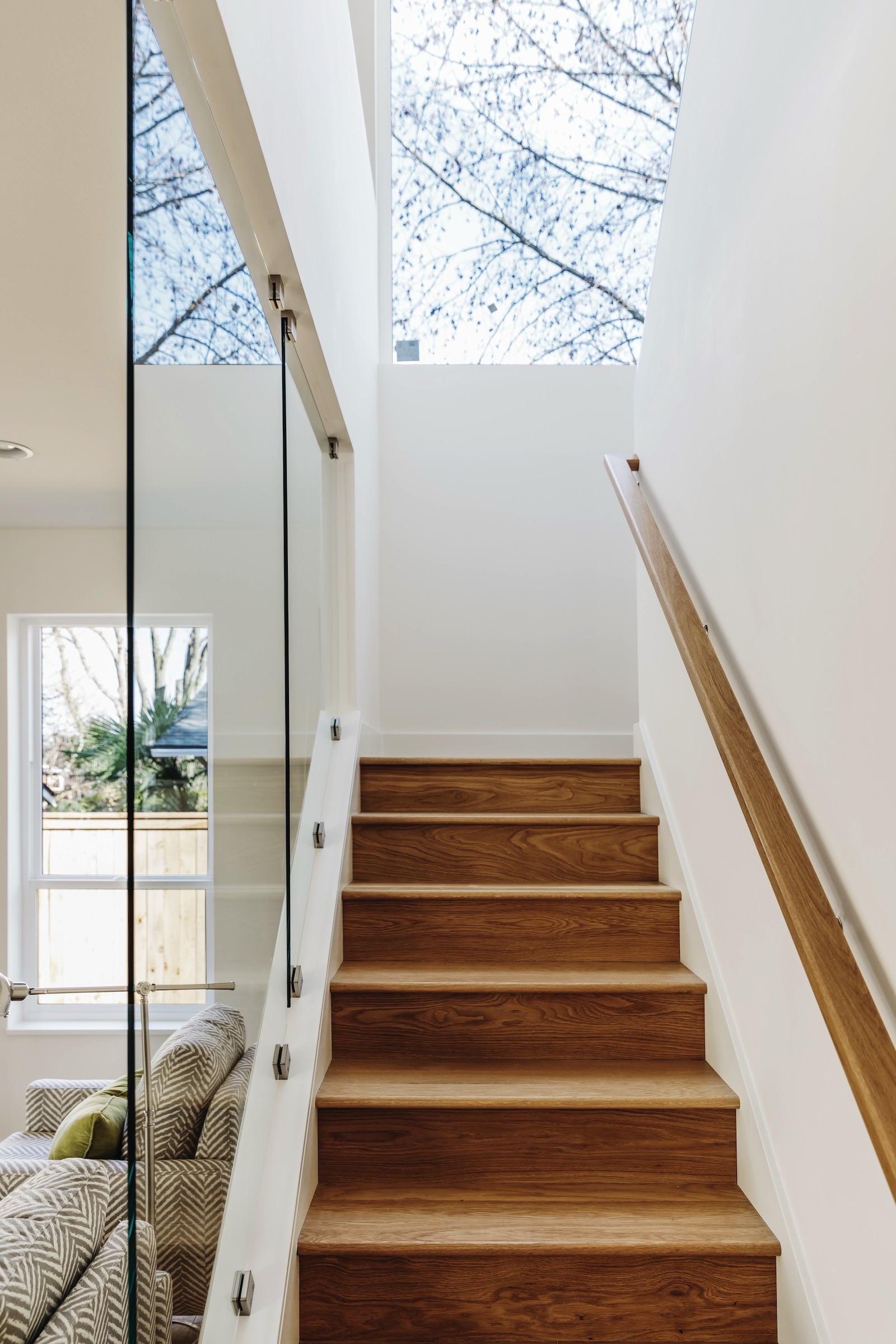
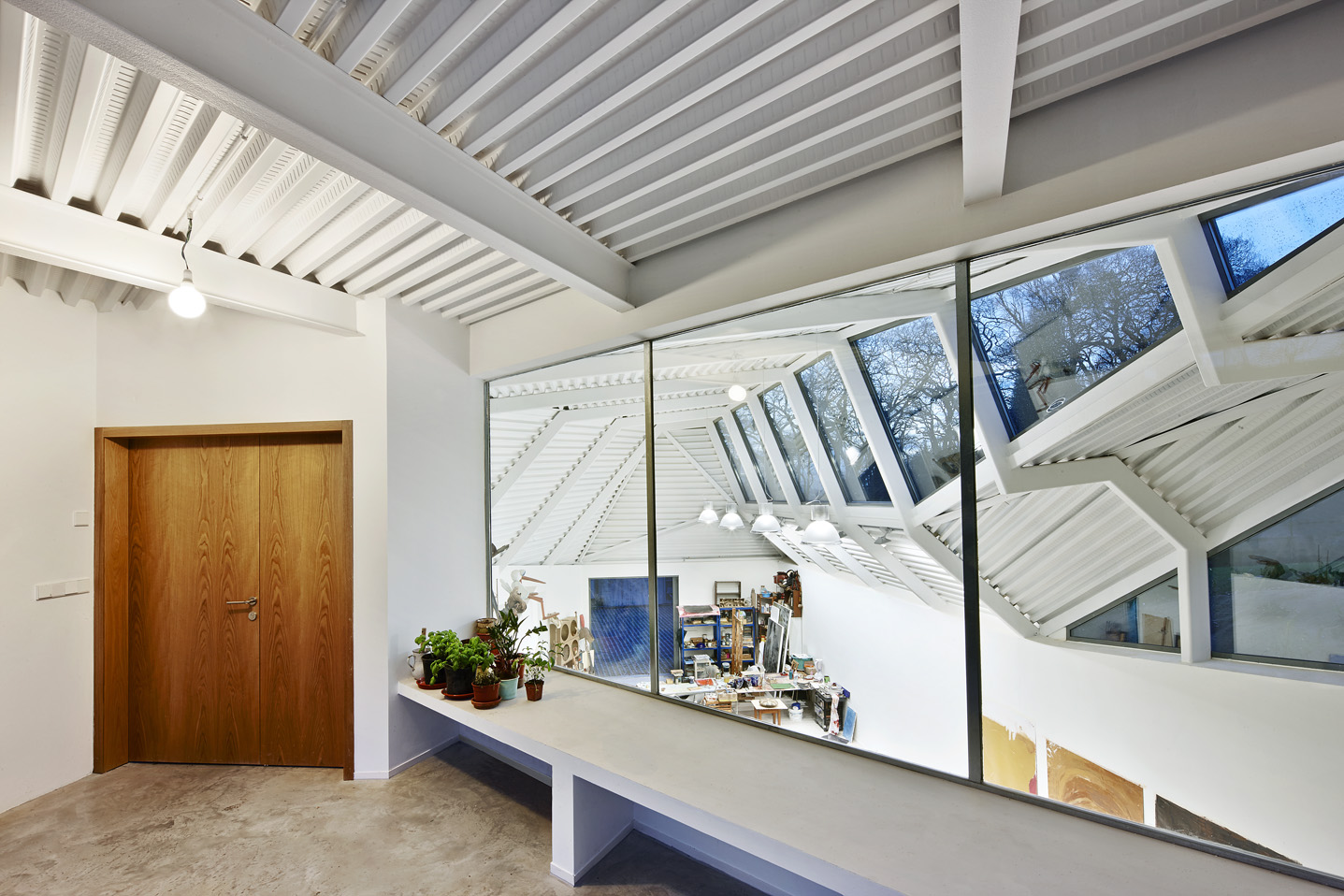
Clerestory and ribbon glazing
Integrated into sliding doors such as fixed corner designs.
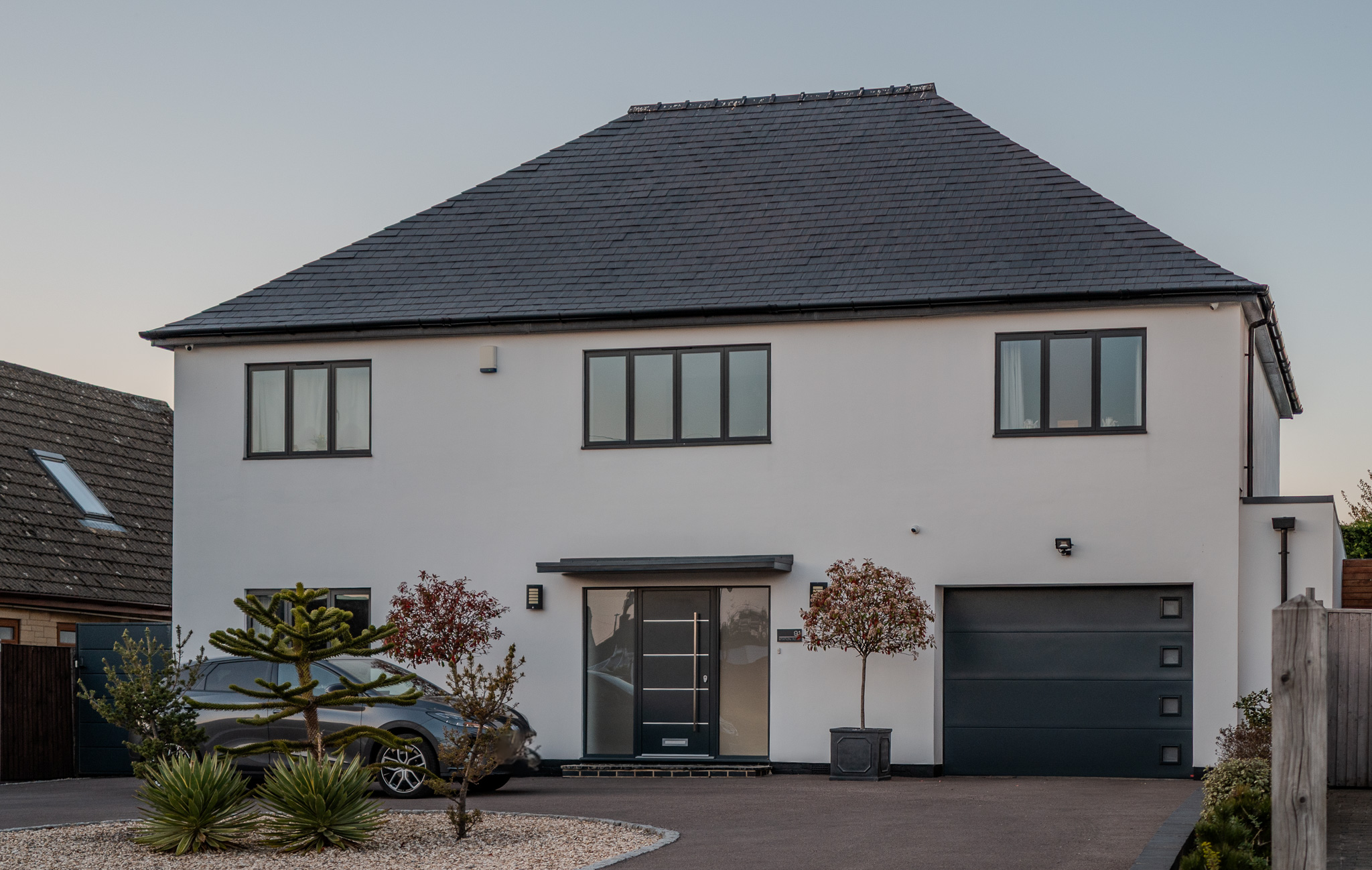
By contrast, traditional windows—whether casement, sash, tilt-and-turn or pivot—always rely on visible outer frames and sashes, even in minimalist systems.
Frameless windows vs Traditional Windows, Key Design Differences
Sightlines and Visible Frame
Frameless windows reduce visible frame thickness to as little as 10–20mm, especially where glass meets glass at corners or reveals. This creates the feeling of continuous glazing and maximises the glazed area within a fixed opening.
Traditional framed windows vary widely in frame dimensions:
Aluminium systems: typically, 45–75mm
Timber windows: up to 90mm or more
PVCu: often 70–85mm, with chunkier profiles in cheaper products
If your goal is to achieve the slimmest possible sightlines, only a frameless system can truly deliver and using aluminium or steel.
Glazing Area
Frameless glazing can achieve up to 92–95% visible glass, depending on the construction and fixing method. Traditional windows, especially those with opening sashes or multiple mullions and transoms, typically offer 70–80% visible glass.
This makes a visible difference in daylight levels, panoramic views, and the overall aesthetic.
The glazing area you can expect with frameless glazing vs traditional windows, absolutely depends on what design you have in mind. For example, you may want some frameless windows to bring in more light in a dark corner of a room. Or you may be thinking of a more specialist structure such as a glazed link between your main home and an annexe or even a fully glazed conservatory or outdoor structure.
Performance Considerations
Thermal Efficiency
Contrary to expectation, frameless windows can be just as thermally efficient as traditional ones. The key is in the specification of the glass and the structural frame (even when hidden). The thermal performance of the newly built structure also plays a key role. Therefore, as part of your design planning, think about which way the frameless glazing faces, risks of overheating on fixed glazing without opening windows elsewhere. Will you need solar control or self-cleaning glass? A specialist frameless windows manufacturer can advise on all of these aspects and give you further points to consider.
Glideline frameless windows are compatible with:
Argon-filled double or triple glazing
Warm-edge spacers
Low-E coatings
Thermally broken aluminium profiles where required
High performance glass to meet solar, acoustic or other requirements.
Typical U-values:
If you choose a high-specification unit, the performance gap between frameless and traditional is negligible.
Acoustic Insulation
Both frameless and traditional windows can be optimised for noise reduction by upgrading the glass unit. Laminated panes, thicker glass, and triple glazing can improve sound reduction by 36–44dB. Another method with acoustic glazing is a thicker piece of glass on the inside than the outside. Again, a specialist can advise you further.
Frameless systems with structural bonding and minimal openings often perform better in noisy environments simply because fewer components vibrate or allow air leakage.
Weather Performance
While some may worry about water ingress with hidden frames, high-end frameless systems are fully tested to BS EN 12208 for water tightness and BS EN 12207 for air permeability.
Installation is key. A professionally installed frameless system performs just as well as a standard window—especially when bonded into solid construction.
Frameless Windows vs Traditional Windows, Aesthetic and Lifestyle Benefits
Natural Light
Glideline frameless windows have been shown to deliver substantially more daylight, depending on the opening, size and overall location. This is especially noticeable in darker homes, extensions with deep plans, and buildings with limited window openings. The obvious lack of visible frame, opening vents, mullions or transoms helps substantially with the all-glass look.
Daylight is a known mood booster and energy-saver. More natural light means less reliance on artificial lighting throughout the day.
Modern Architecture Compatibility for Frameless Windows
Frameless windows work particularly well in:
Flat-roofed extensions
Contemporary new builds
Urban homes with minimal design schemes
Barn conversions and glazed links
Walk-on glass bringing light into basements
By contrast, traditional windows are more suited to:
Period properties
Heritage zones or conservation areas
Traditional-style homes with decorative reveals
Any type of standard window replacement
Window replacements in new extensions or homes
Where the design requires opening elements.
Frameless fixed windows don’t project into or out of the room. This makes them ideal for internal corners, walkways, small bathrooms, or feature glazing above kitchen counters. With no sashes or handles to accommodate, you retain full use of the wall or floor area nearby.
Installation Differences and Only Choosing a Professional Manufacturer Installer
By far the most important aspect of frameless windows vs traditional windows is who makes them and, even more important, the expertise of the installer. These windows should never be bought on a DIY basis for a builder to fit.
The correct installation is crucial because much of the assembly, structural sealing and fixing is done at the property. Traditional windows can often come fully manufactured, even fully glazed. The fixing method is therefore never the same. Only use a trusted installer with a reputation in these project types.
Frameless windows require:
Structural opening preparation
Accurate bonding or hidden fixing techniques
On-site handling and lifting
They are often installed earlier in the build schedule (e.g. first fix stage) and need coordination with builders or façade specialists. While more complex to install than standard windows, the outcome is usually more seamless and integrated.
Traditional windows:
Come pre-glazed or pre-assembled
Are easier to measure and replace
Often installed later in the construction phase
If you’re retrofitting into an older property or replacing like-for-like, traditional may be simpler. If you’re building new or opening up a space architecturally, frameless is worth considering.
Cost Comparison
Feature | Frameless Windows | Traditional Windows |
Typical Price Range | £700–£1,200 per m² | £400–£900 per m² |
Installation Cost | Higher (specialist fit) | Lower (standard installer) |
Glazing Options | Structural and Specialist Glass Double/triple/laminated | Double/triple/laminated |
Lifetime Expectancy | 30+ years with routine inspection | 25–35 years |
U-value Range | 1.0–1.4 W/m²K | 1.0–1.6 W/m²K |
Visible Glass Area | 90–95% | 70–80% |
When to Choose Frameless vs Traditional
Choose Frameless When:
You want floor-to-ceiling glass or corner windows
You’re working on a modern build or rear extension
You want to maximise light, views, and design impact
You’re installing fixed panes (non-opening)
Choose Traditional When:
You need opening sashes or ventilation
Your property is in a conservation area
You’re replacing existing traditional-style units
Budget or simplicity is a key driver
Future maintenance/repair may be a concern
Glideline Frameless Window System: GW70
Our GW70 system is a fully bonded frameless glazing solution, offering high-performance, minimalistic design with modern engineering. Ideal for both residential and commercial projects, the GW70 delivers:
Seamless structural glazing design with a hidden frame
Glass-to-glass corners and reveals
Compatibility with insulated builds
High thermal and acoustic performance
Glazing up to 36mm thick
As with all Glideline products, our frameless window range is manufactured in the UK, supported by technical guidance and available via our trusted trade partner network.
FAQs on Frameless vs Traditional Windows
Do frameless windows open?
Most are fixed units. For ventilation, frameless systems are usually combined with opening windows elsewhere in the room. Plan this into your overall design.
Are they safe and secure?
Yes—when properly bonded and installed, they exceed security standards. Laminated glazing is available as is other types of structural glass, even walk-on glass.
Do I need planning permission?
Not for frameless glazing itself, but some projects (extensions, new openings) may require consent. Always check with your Local Authority
What sizes are available?
Each unit is bespoke. We manufacture to exact project requirements, often up to full floor height.
Can I use frameless windows on upper floors?
Yes, with proper structural support and safety glass. Structural glazing may also be used.
Which is Best, Frameless or Traditional Windows?
Whilst frameless glazing is used more as a focal feature rather than a door and window solution, both frameless and traditional windows can work together. Sliding doors are the best for providing a near-frameless appearance with opening facility. Frameless glazing offers unmatched visual lightness, better daylight performance, and seamless design.
Always involve a specialist glazing firm, manufacturer and installer at the planning stage alongside your builder and architect. Traditional windows remain reliable, familiar, and versatile with opening functionality and hidden frames. Frameless glazing is a more specialist category of glazing.
Get Expert Help on Frameless Window Design
Thinking about incorporating frameless windows into your next project? At Glideline, we manufacture bespoke glazing systems that integrate with both contemporary and traditionally-styled homes and commercial buildings. Contact us today for prices and more information.