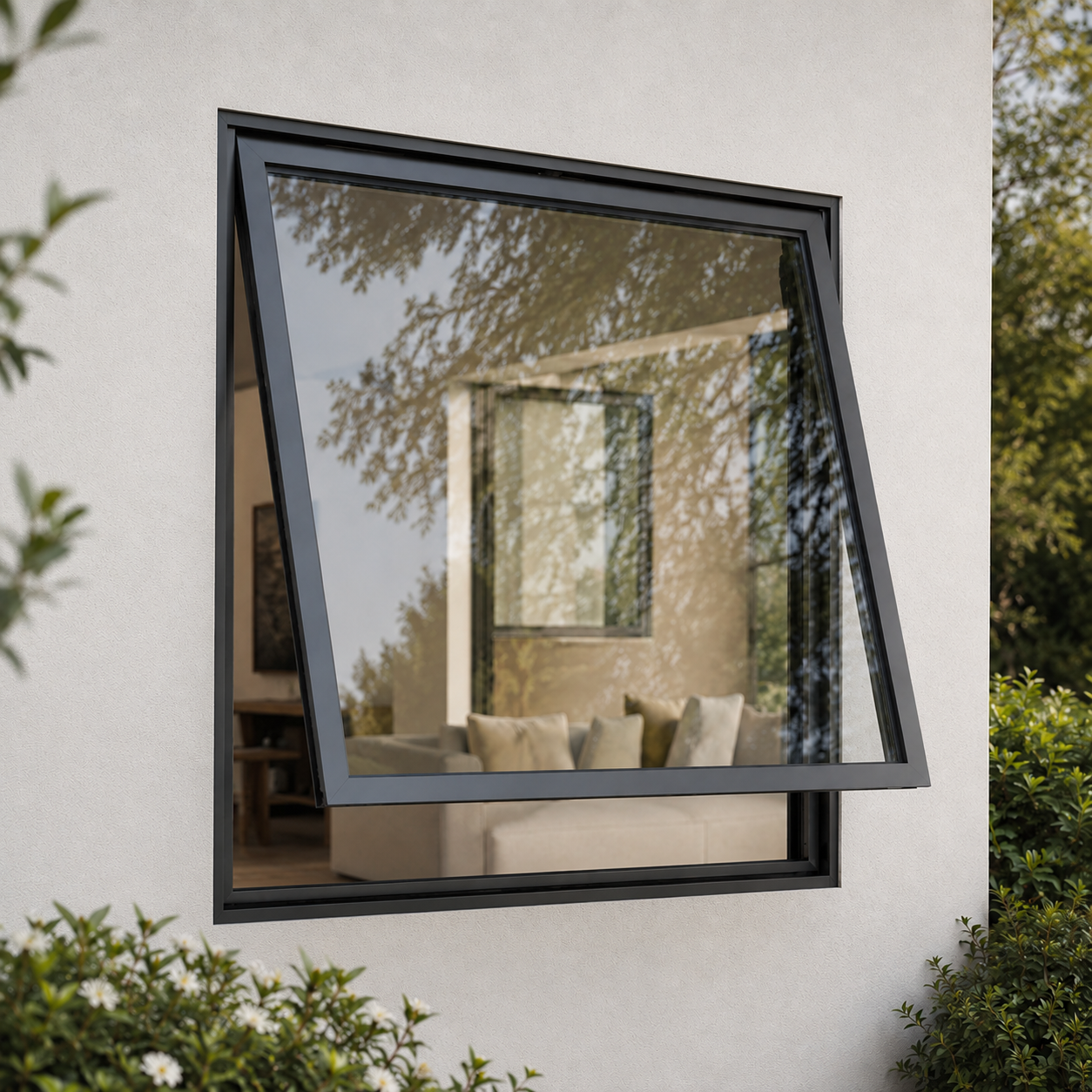
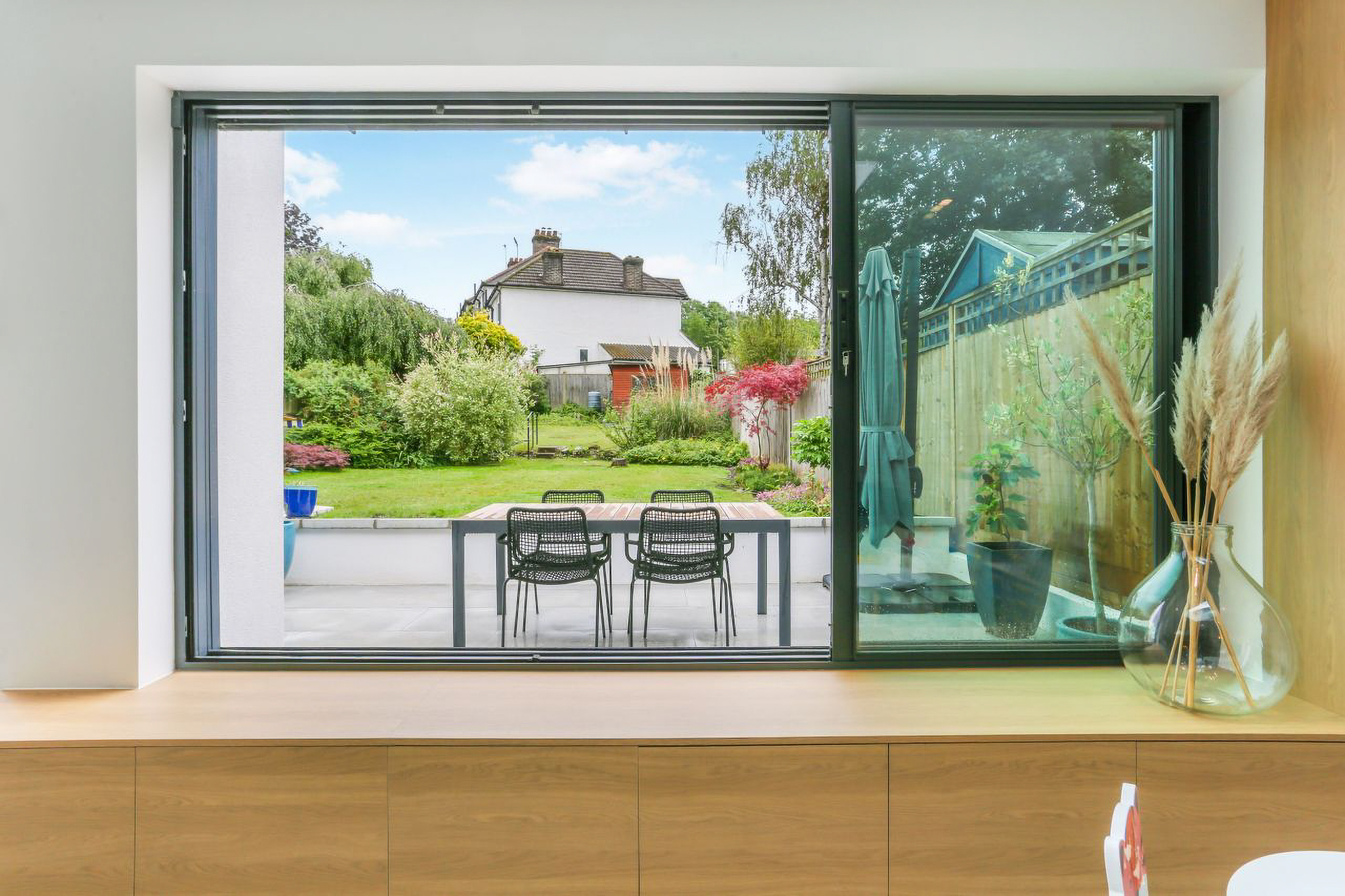
Frameless windows are increasingly specified for modern extensions. They deliver maximum natural light, uninterrupted views and a contemporary aesthetic that standard framed windows cannot match. But successful projects using all types of frameless windows depend on understanding what makes them different from conventional glazing systems and how to plan specification and installation properly.
For installers and specifiers, frameless windows require earlier involvement from manufacturers such as Glideline. These projects involve a different surveying approach, a greater understanding of the product, tighter tolerances and closer coordination with architects, structural engineers and other trades.
This guide explains what you need to consider, common mistakes to avoid and how to support frameless window projects successfully.
At Glideline, we manufacture bespoke frameless and minimal-frame glazing systems for trade professionals throughout the UK. This guide reflects real-world project experience and the practical requirements we see from installers and specifiers.
What Are Frameless Windows?
Frameless windows appear to be unsupported glass—a clean wall of glazing with minimal visible frame or supports. In reality, the glass is supported, but the frame and support systems are designed to be as invisible as possible. Modern frameless systems are manufactured to tight tolerances, allowing professional glazing installers to fit them once the structural opening has been properly prepared.
Frameless vs Minimal-Frame
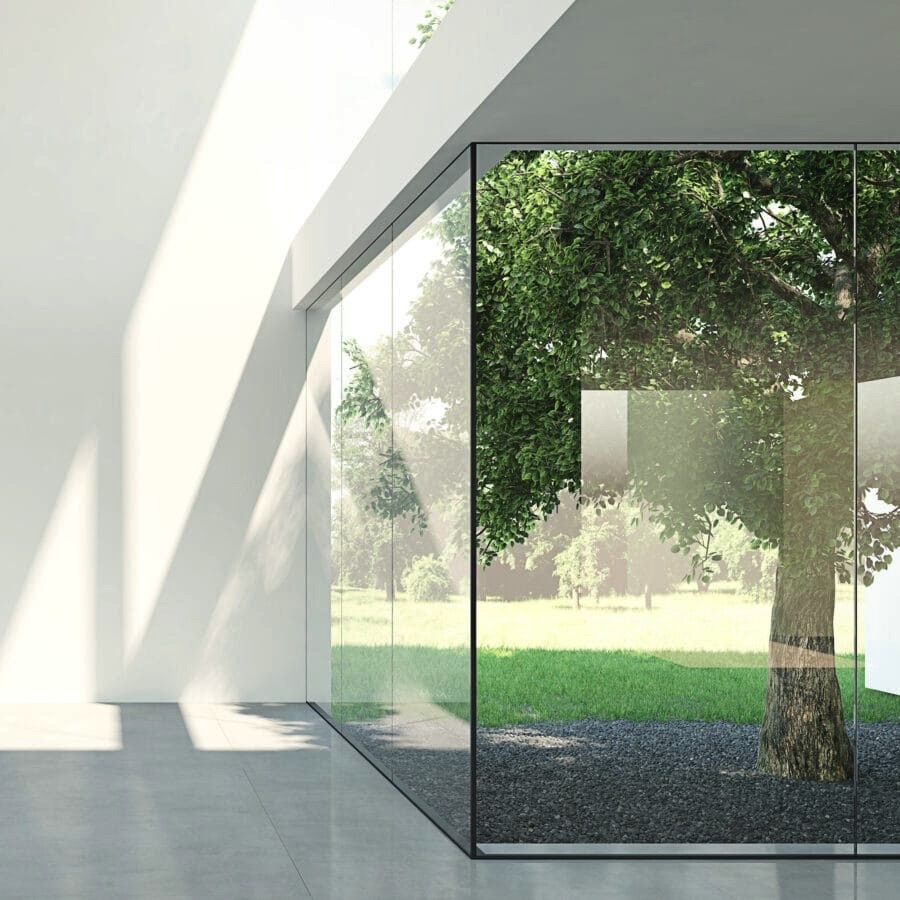
| Frameless systems have virtually no visible frame around the edges of the glass and can incorporate glass-to-glass corners for the cleanest possible appearance. |
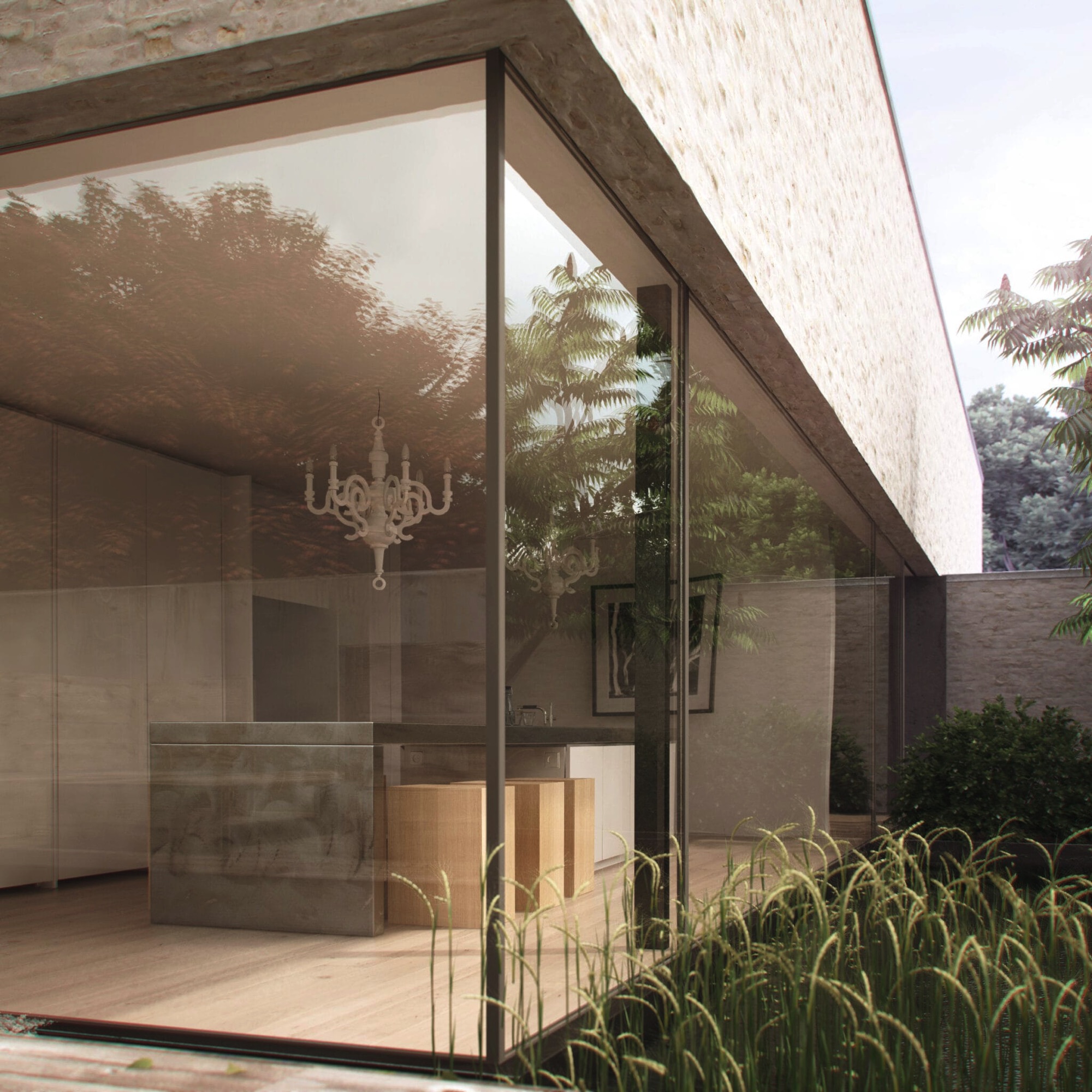
| Minimal-frame systems use very slim aluminium profiles, typically around 15–40mm wide, designed to maximise the glazed area while retaining a discreet visible frame as part of the overall design. Both create the contemporary appearance associated with modern architecture by significantly reducing visible sightlines compared with conventional standard windows and doors. |
Where the Frame Goes
The supporting frame sits within the building's opening, often concealed behind the external cladding or render. At the perimeter, thin aluminium profiles or silicone glass bonding creates the edge detail. At corners, structural glass bonding or concealed brackets support the weight. The system is fully engineered for safety, reliability and many years of use.
Why Sightlines Matter
Sightline width, the visible frame at the edge of the glass, is the primary design detail. A 15mm or 20mm sightline creates a clean, contemporary look. A 40–50mm sightline is more visible and less elegant. For frameless and minimal-frame systems, sightline specification is critical to the final aesthetic and requires careful coordination.
It is equally important to remember that reducing the visible frame cannot come at the expense of performance. Even a minimal frame must still provide structural support, effective drainage, reliable weather sealing and long-term thermal performance.
Why Frameless Windows Are Popular in Modern Extensions
Modern extensions favour open-plan living, strong connections to the garden and clean architectural lines. Frameless glazing supports all three by allowing more natural light into the room, creating uninterrupted views and reducing the visual impact of frames, mullions and transoms.
Unlike conventional windows, frameless glazing works best when considered from the very beginning of the project rather than as a late design change. Early involvement allows the glazing to integrate with sliding doors, roof glazing and structural openings while maintaining consistent sightlines throughout the extension.
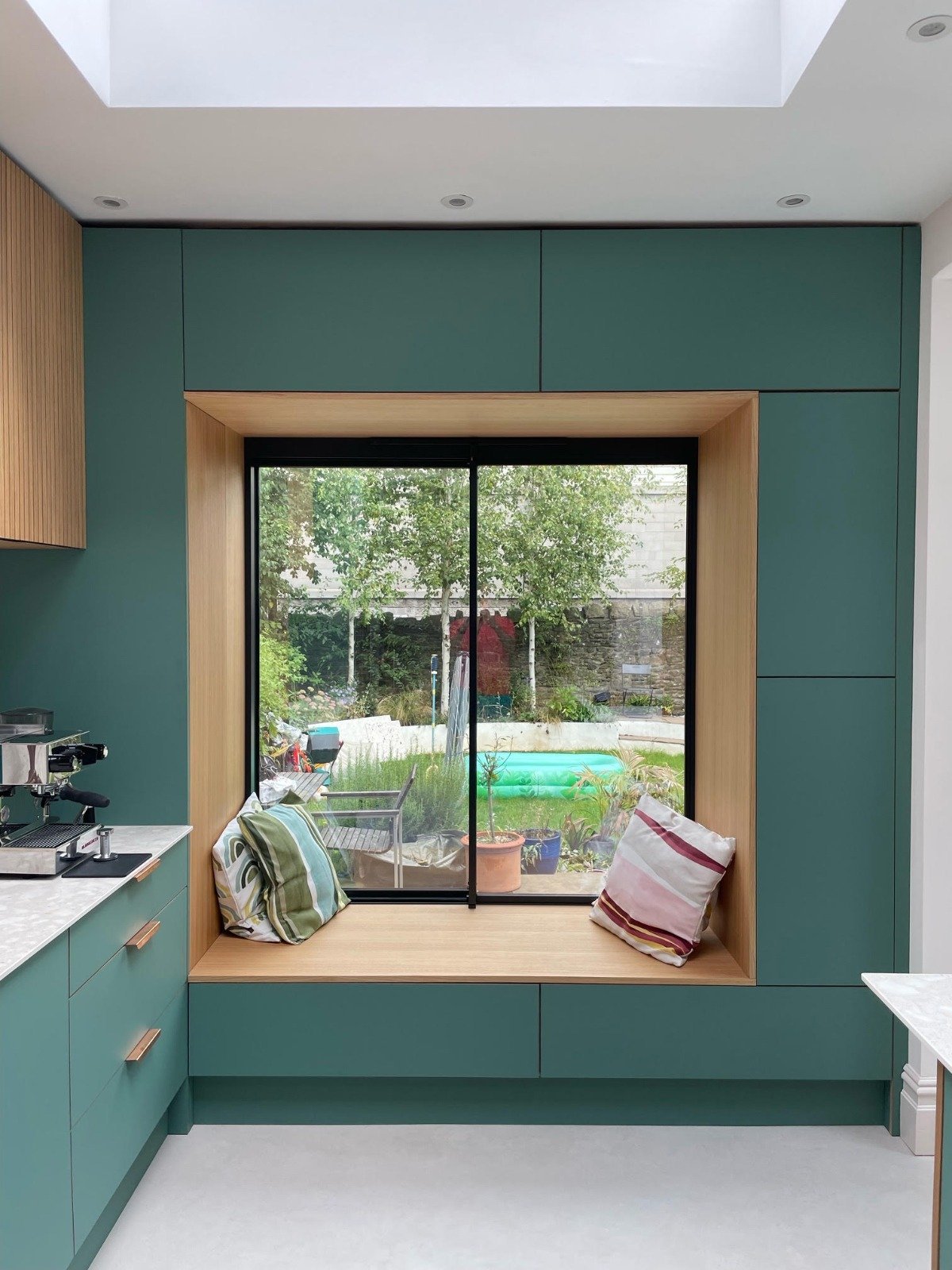
Frameless technology also makes features such as window seats, projecting oriel windows and large fixed glazing possible without the bulk associated with conventional framing.
For more on frameless oriel windows specifically, see our Frameless Oriel Windows guide.
There is also a comprehensive range of minimal sliding doors systems that pair well with frameless glazing, explore our slim sliding door ranges.
What Installers Need to Consider Before Quoting
The following information helps both installer and manufacturer assess the project, determine whether it is suitable for a frameless system and produce an accurate quotation.
Opening and structure:
• Opening dimensions (width, height, depth)
• Structural opening preparation status
• Structural support details (can the builder provide, or does the window manufacturer need to design?)
• Building envelope and cladding integration
Glass specification:
• Thermal performance requirements (U-value target)
• Safety glazing requirements (building location, height, accessibility)
• Solar gain concerns (south/west-facing, overheating risk)
• Acoustic or special coating requirements
Installation and access:
• Site access (can large glass panels be delivered and positioned safely?)
• Handling equipment available
• Coordination timeline with builders and other trades
• Weatherproofing details (drainage, sealants, gaskets)
Design and finish:
• Colour/finish preference
• Sightline specification (how visible should the frame be?)
Early answers to these questions help you assess project complexity, decide whether to quote and brief a glazing supplier accurately.
Frameless Windows vs Standard Aluminium Windows
Understanding the differences helps you position frameless systems appropriately to architects and specifiers.
Feature | Frameless/Minimal-Frame | Standard Aluminium |
Visible frame | 15–25mm sightline; minimal frame visible | 40–60mm+ frame profiles and more visible |
Aesthetic | Contemporary, architectural, clean lines | Broad range; conventional, ovolo, slimline steel-look or flat aesthetic |
Tolerance | Tight. Small errors become visible | More forgiving; wider tolerance range and trims available |
Specification | More design-sensitive; bespoke approach | Often standardised with set range of profiles |
Installation | Precision essential; early supplier involvement | Conventional workflows; familiar to most installers |
Functionality | Usually designed as a fixed window | Can incorporate opening sashes, although sightlines are increased |
The key difference: frameless systems prioritise design and aesthetics but require more precision and planning. Standard aluminium windows prioritise simplicity and cost-effectiveness.
Performance Considerations
Thermal Performance
Frameless windows can achieve excellent thermal performance when specified correctly. Thermal breaks, double or triple glazing and low-E coatings, warm-edge spacer bars and internal argon or krypton gas fills, ensure compliance with Building Regulations. You will need to confirm the U-value targets with the architect and client so the correct glass can be provided.
Solar Gain and Overheating
Large south or west-facing frameless glazing can cause summer overheating, particularly in open-plan kitchens. Solar control glass, external shading or careful orientation should be considered during design. Don't wait until after installation to address this. Overheating is now part of Building Regulations Part O, so will need consideration within the overall project.
Safety Glazing
Building Regulations require safety glass in certain locations (low sightlines, accessible areas, bathrooms). Verify requirements early and specify appropriate glazing (toughened or laminated). This cannot be changed after manufacture. All our frameless products are provided as standard with safety glass.
Weather Resistance
Modern frameless glazing systems are engineered to withstand wind, rain and long-term environmental exposure. However, their performance depends just as much on installation quality as manufacture. Poor detailing, incorrect sealing or inadequate drainage can all lead to water ingress, which is why installation instructions should always be followed carefully.
Common Project Types for Frameless Windows
 Kitchen and Dining Extensions
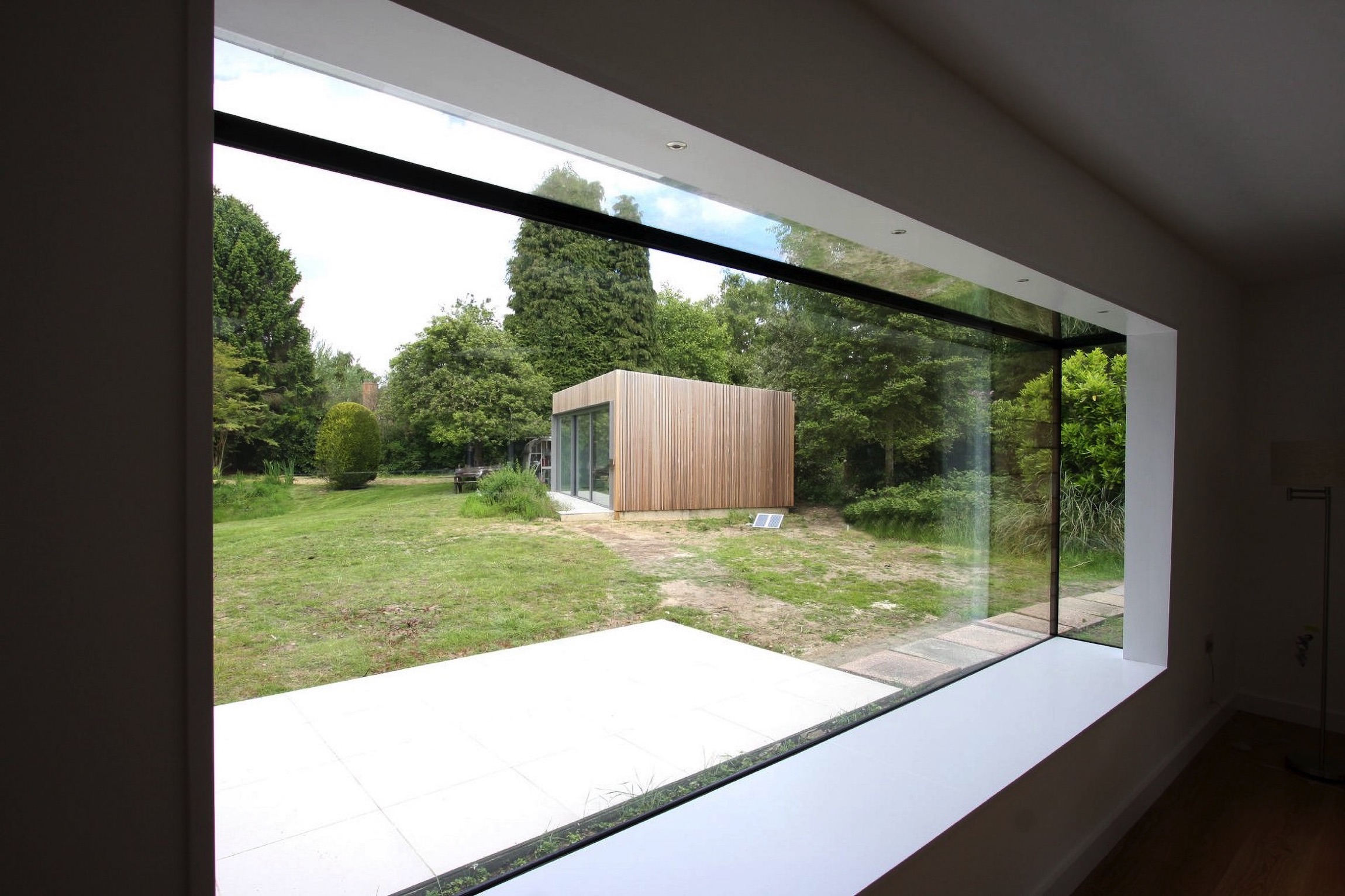
This is one of the most common applications. Frameless glazing transforms kitchen extensions into bright, open spaces with strong indoor-outdoor connection. Pair with slim sliding doors for maximum impact.
Living Room Extensions
Frameless windows create dramatic focal points in living rooms. Large panel sizes maximise views and light but do consider the potential for solar gain and overheating in the summer.
Oriel Windows and Window Seats
The benefit of modern glass, sealing and engineering allows elegant window-seat features that appear to float. This floating window appearance creates light and genuine architectural impact.
Stairwells and Internal Light Projection
Frameless windows bring light to internal circulation spaces without full-depth extensions. Particularly effective in narrow or tall openings, stair wells and basement conversions.
Design Details That Affect Frameless Windows
If you’re an installer wanting to provide frameless windows for your client advise them of the design details so they, their architect or builder are informed. Consider these factors early in the project discussions.
• Sightlines,15mm or 20mm appear clean. 30mm+ becomes more visible and less elegant
• Corner details, how are glass-to-glass corners achieved? Silicone joints, concealed brackets or minimal frame?
• Colour and finish on any visible structural or frame elements. Powder coated colours are substantial. Consider matching or contrasting cladding and other windows or doors
• Alignment with floors, ceilings and cladding so the entire installation blends with the structure
• Coordination with doors and other glazing, frameless windows should pair visually with frameless or slim-frame sliding doors
Mistakes to Avoid When Specifying Frameless Windows
Expertise in the specification and manufacturing of frameless windows always helps prevent costly errors on your projects.
These are not standard windows and should be treated as design systems. Discuss design and specification as early as possible. You should involve the provider of your frameless windows early and work within their lead times.
There is structural complexity with these products and larger windows may require support that is more substantial than expected. Discuss and plan early for potential solar gain or overheating.
Confirm site access, handling and how they reach their location. This is important in terraced house extensions, townhouses or other homes with restricted access. Also consider loading and unloading restrictions in the area.
Frameless windows should not be compared on price alone. Manufacturer expertise, quality, glass specification and support all matter. Always install as advised for maximum sealing and weather protection.
Specify Frameless Windows with Glideline
Frameless windows are transforming how modern extensions are designed and experienced. They deliver light, views and architectural impact that standard windows cannot achieve. But success depends on early planning, accurate specification and close coordination with suppliers.
Glideline manufactures contemporary frameless and minimal-frame glazing systems for modern extensions throughout the UK. Our team understands both the design vision and the practical requirements of specification and installation.
View our frameless window system, explore how frameless oriel windows work, or contact the Glideline team to discuss a trade project.