The honest answer: it depends. Oriel window cost varies because every project is unique. A small, fixed-glazing feature in a straightforward site will cost far less than a large, frameless system with complex structural requirements and restricted access.
To give a realistic example, a popular configuration measuring approximately 1800mm wide with two 300mm side returns and an overall height of 1500mm currently costs around £1,900 plus VAT to purchase from the manufacturer.
Allowing for installation, surveying, overheads and contractor margins, supply and installation typically starts from around £3,400 plus VAT. This equates to approximately £950 per square metre, although square metre prices should only ever be treated as a broad budgeting guide.
Square metre estimates can be useful during the early budgeting stage but become increasingly unreliable as projects become larger or more complex. Understanding what affects the cost helps you prepare for a realistic quotation. This guide explains the key variables and what you need to brief a supplier for an accurate price.
At Glideline, we provide transparent quotes based on your project specifications. The more detailed your brief, the more accurate the quotation.
Why Oriel Window Costs Vary
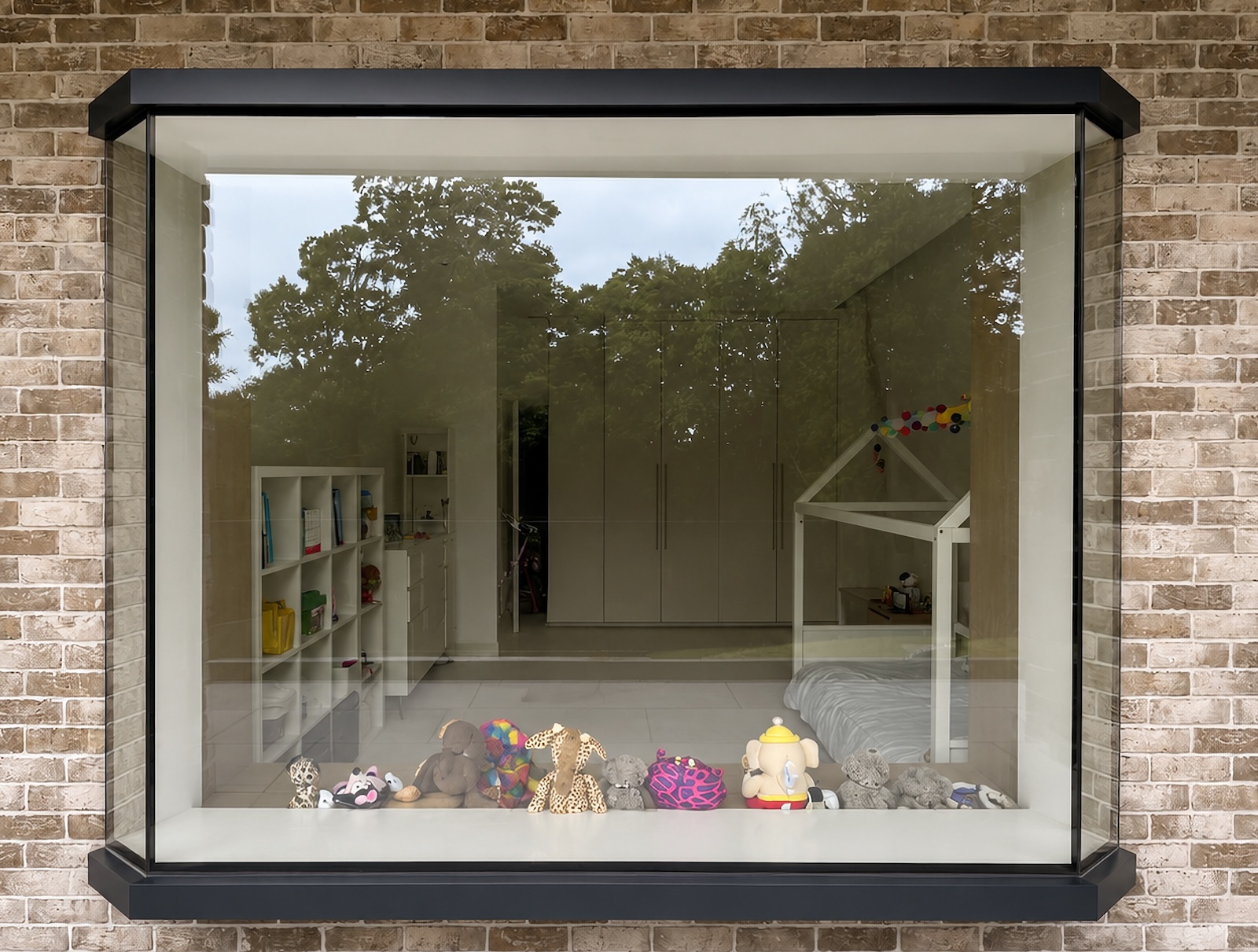
Oriel windows are almost always project-specific. Unlike standard window units manufactured off-the-shelf, every oriel is bespoke, designed around your building structure, your architectural intent and your performance requirements.
A modest framed oriel with standard double glazing requires significantly less engineering and material than a large frameless design incorporating triple glazing, structural silicone bonding and specialist support.
This means comparing two quotes on price alone can be misleading. A cheaper quote may reflect simpler design, smaller size or lower glass specification. A more expensive quote may reflect better thermal performance, specialist frameless design or more complex structural support. Understanding what you're paying for matters as much as the headline number.
Main Factors That Affect Oriel Window Cost
These variables drive the final price:
Cost Factor | Impact on Price |
Overall size | Larger windows require more glass, stronger structural support and more handling. Size is often the primary cost driver. |
Projection depth | Greater projection increases structural steel requirements, affects load calculations and may influence planning assessment. |
Glass specification | Double vs triple glazing, low-E coatings, solar control, safety glazing and easy-clean coatings all affect cost. Thermal performance typically increases price. |
Frame design | Framed systems cost less than frameless/minimal-frame alternatives. Frameless requires more specialist engineering and precision manufacturing. |
Fixed vs opening | Fixed glazing is simpler. Opening elements (casements, vents) add hardware, testing and complexity. |
Colour/finish | Standard anodised finishes are standard. Bespoke powder-coated colours or special finishes may extend lead times and add cost. |
Site access | Restricted access (tight gardens, upper floors, internal stairs) may require specialist equipment or phased assembly, increasing installation cost. |
Installation complexity | Coordination with builders and engineers, site-specific detailing and complex weatherproofing increase project management and installation time. |
Understanding these factors helps you see why two quotations might differ significantly. The cheapest option isn't always the best value if it compromises on thermal performance, durability or installation quality.
Frameless Oriel Window Cost Considerations
Frameless and minimal-frame oriel windows typically cost more than framed alternatives. They also deliver a level of visual impact that simply isn’t possible with conventional framed construction.
Why Frameless Systems Cost More
Frameless systems require specialist engineering, precision glass cutting and advanced manufacturing techniques. Tolerances are tighter. Structural glass design is more complex. Glass-to-glass silicone bonding demands controlled conditions and skilled assembly.
Larger glass panels and more specialist profiles also increase material and manufacturing costs. The visual payoff, clean lines, maximum views, contemporary aesthetic, again justifies the premium for design-led projects.
What You Get for the Investment
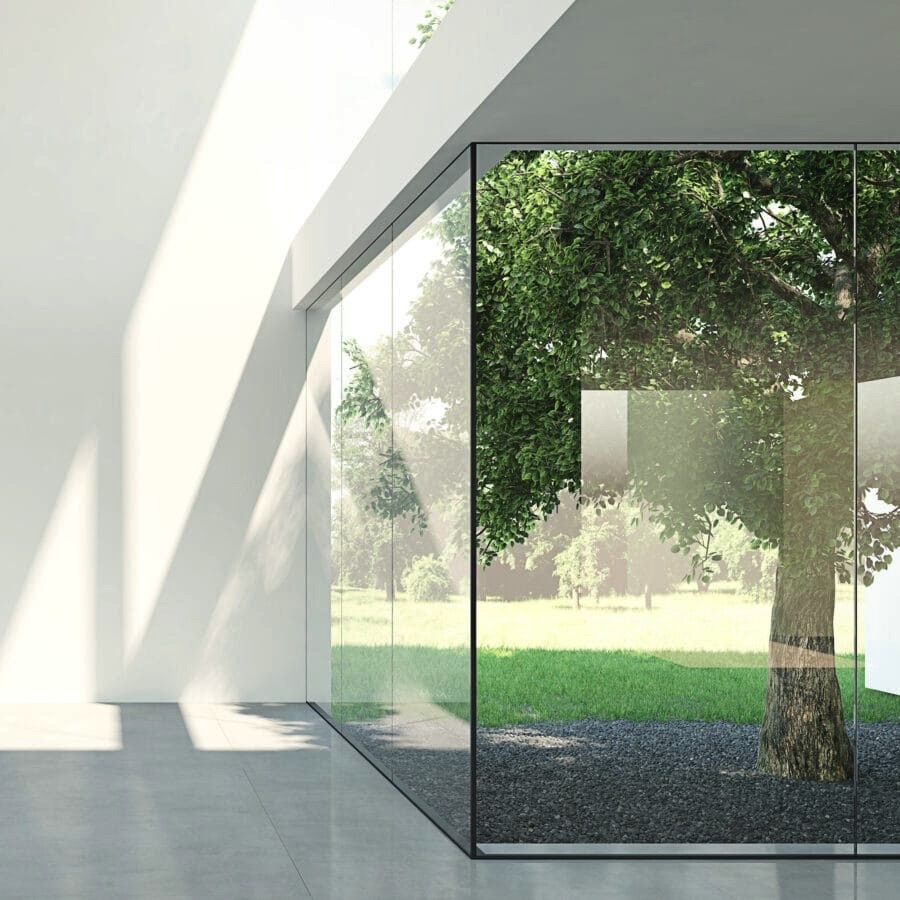
Frameless oriel windows deliver uninterrupted views, maximum natural light and architectural impact that standard framed systems cannot achieve. For high-end residential and commercial projects, the design value often justifies the cost.
If budget is tight, a well-specified framed oriel using a selection of window systems can deliver excellent results at a lower cost. The key is choosing the right system for your project rather than assuming one option is always better. For more on this comparison, see our Frameless Oriel Windows guide.
Can You Estimate an Oriel Window from Square Metres?
Although we’ve provided a guide price per square metre above, it should never be used to calculate the cost of an individual project.
For example, two oriel windows measuring exactly 3m x 2m could differ significantly in price if one uses triple glazing, frameless construction, solar control glass and complex structural support while the other uses a conventional framed system with standard double glazing.
Projection depth, glass specification, structural requirements and site-specific details matter as much as overall size. The most useful approach to getting an accurate price is to provide suppliers with drawings, dimensions and specification requirements. This allows them to understand structural complexity, glass needs and installation logistics. A drawing-led quote is far more reliable than a generic estimate.
What Information Is Needed for an Accurate Quote?
Prepare this checklist before contacting a supplier. The more complete your brief, the faster and more accurate the quotation.
Design and dimensions:
• Architectural drawings or sketches
• Approximate width, height and projection depth
• Frameless, minimal-frame or fully framed preference
Glazing specification:
• Double or triple glazing
• Thermal performance targets (U-value if known)
• Solar control, acoustic or special coatings
• Fixed or opening elements
Structural and site information:
• Details of structural support (is it being provided by the builder?)
• Site access constraints
• Building location (UK region)
• Project stage (new build, extension, retrofit)
Timeline and preferences:
• Desired installation date
• Colour/finish preferences
Once you submit this information, a supplier will typically arrange a site survey to confirm dimensions and discuss structural requirements with your architect or engineer. This consultation is when a realistic, detailed quotation emerges.
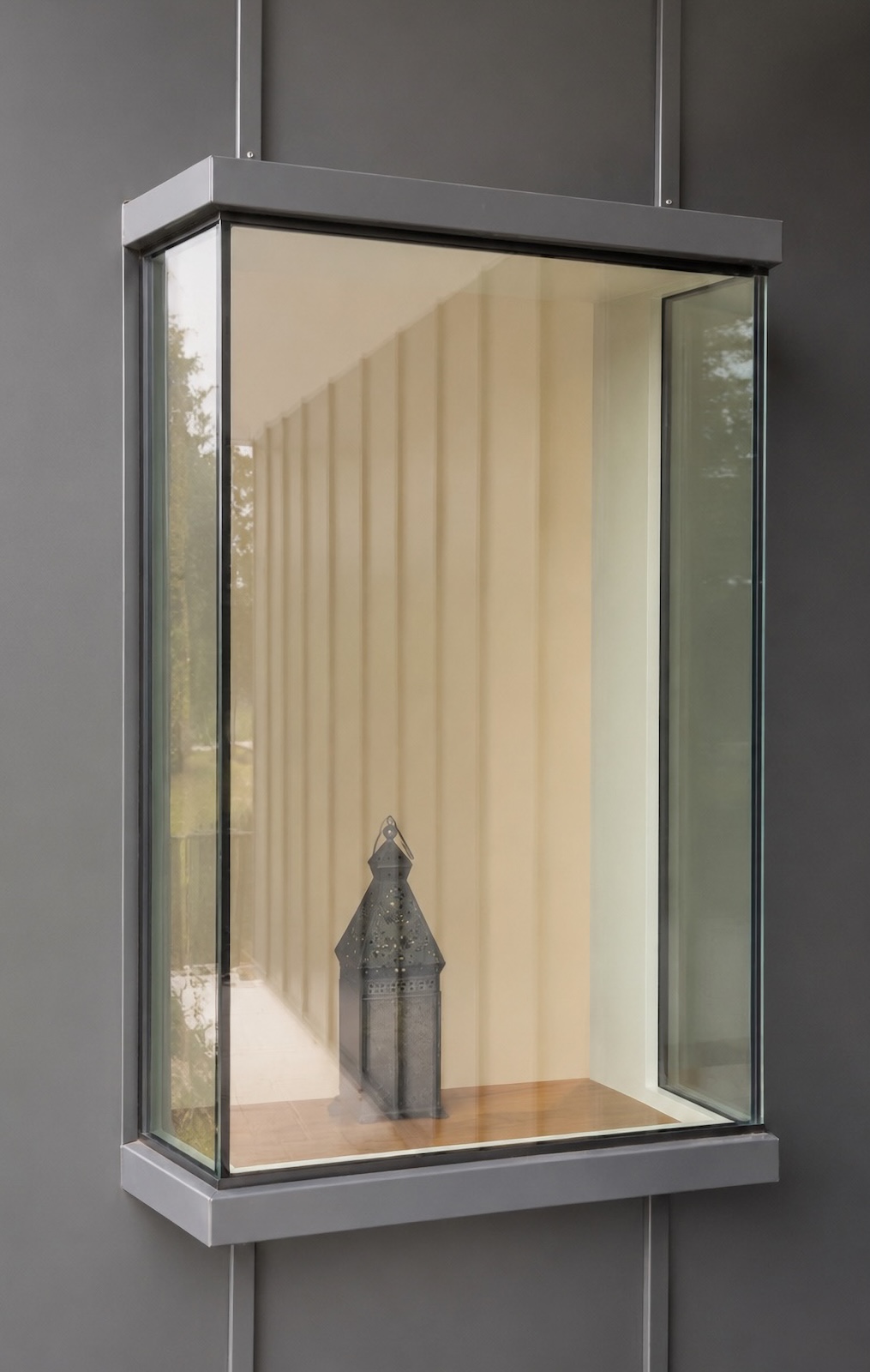
| Ways to Control Oriel Window Costs Without Compromising QualitySmart planning can help manage cost without sacrificing performance or durability. Confirm requirements early because changes mid-project cost money. Clear design intent from the start avoids rework. We also recommend using standard colours rather than bespoke as these also extend lead times and add to the cost. Choose the right system for the project, for example, framed instead of frameless if the design permits, to reduce cost and complexity. It is also useful to keep dimensions realistic. Whilst grand windows and shapes are appealing, these take into account technical, manufacturing, logistical and other factors. You should never compromise on glass quality, safety, Building Regulations compliance or technical/structural limitations of the system. |
Request an Oriel Window Quote from Glideline
Understanding cost factors helps you prepare realistic budgets and avoid surprises. The key to accurate pricing is detail: clear drawings, confirmed dimensions, specification requirements and site context.
Glideline manufactures bespoke oriel and frameless glazing systems for modern residential and commercial projects throughout the UK. Our team can advise on product suitability, specification and lead times.
Ready to discuss your project? Send Glideline your project details, drawings and specification requirements to request an accurate oriel window quotation.
Oriel Window Cost: Frequently Asked Questions
Are oriel windows expensive?
Oriel windows cost more than standard windows because they're bespoke and involve structural planning. As a broad starting point, around £950 per square metre supplied and installed provides a useful budgeting figure for many projects. However, every oriel window is bespoke, so accurate quotations should always be based on drawings and specification rather than area alone.
Does Planning Permission Affect Oriel Window Costs?
Planning permission itself does not increase the manufacturing cost of an oriel window. However, projects involving listed buildings, conservation areas or properties subject to specific planning conditions may require changes to the design, glazing specification or external appearance. These additional requirements can influence both manufacturing costs and installation complexity.
Structural alterations required to support an oriel window may also affect the overall project budget. Larger projections, additional steelwork or changes requested by Building Control or structural engineers can all increase costs beyond the window itself. If your project is subject to planning or conservation requirements, it’s always worth discussing these with your glazing supplier as early as possible so they can be reflected in the quotation.
Are frameless oriel windows more expensive than framed options?
Yes. Frameless systems require specialist engineering, precision manufacturing and advanced glazing techniques. The visual payoff is clean lines and maximum views.
What is the biggest cost factor for an oriel window?
Overall size and glass complexity is usually the primary driver, followed by projection depth and glass specification. Larger windows need more material, stronger support and more handling, all of which increase cost.
Can I get an oriel window quote without drawings?
Estimates are possible, but drawing-led quotes are far more accurate. Drawings allow suppliers to understand structural complexity, site context and specification requirements. The location is also worth knowing as a high level window will cost more to install than one at ground level.
Does glass specification affect the price?
Yes, significantly. Double vs triple glazing, low-E coatings, solar control glass and safety requirements all affect cost. Thermal performance typically increases price.
Does installation cost more for an oriel window?
Yes. Installation involves structural preparation, specialist lifting equipment, careful sealing and coordination with other trades. Site access and project complexity affect total installation cost.
Are oriel windows suitable for extensions?
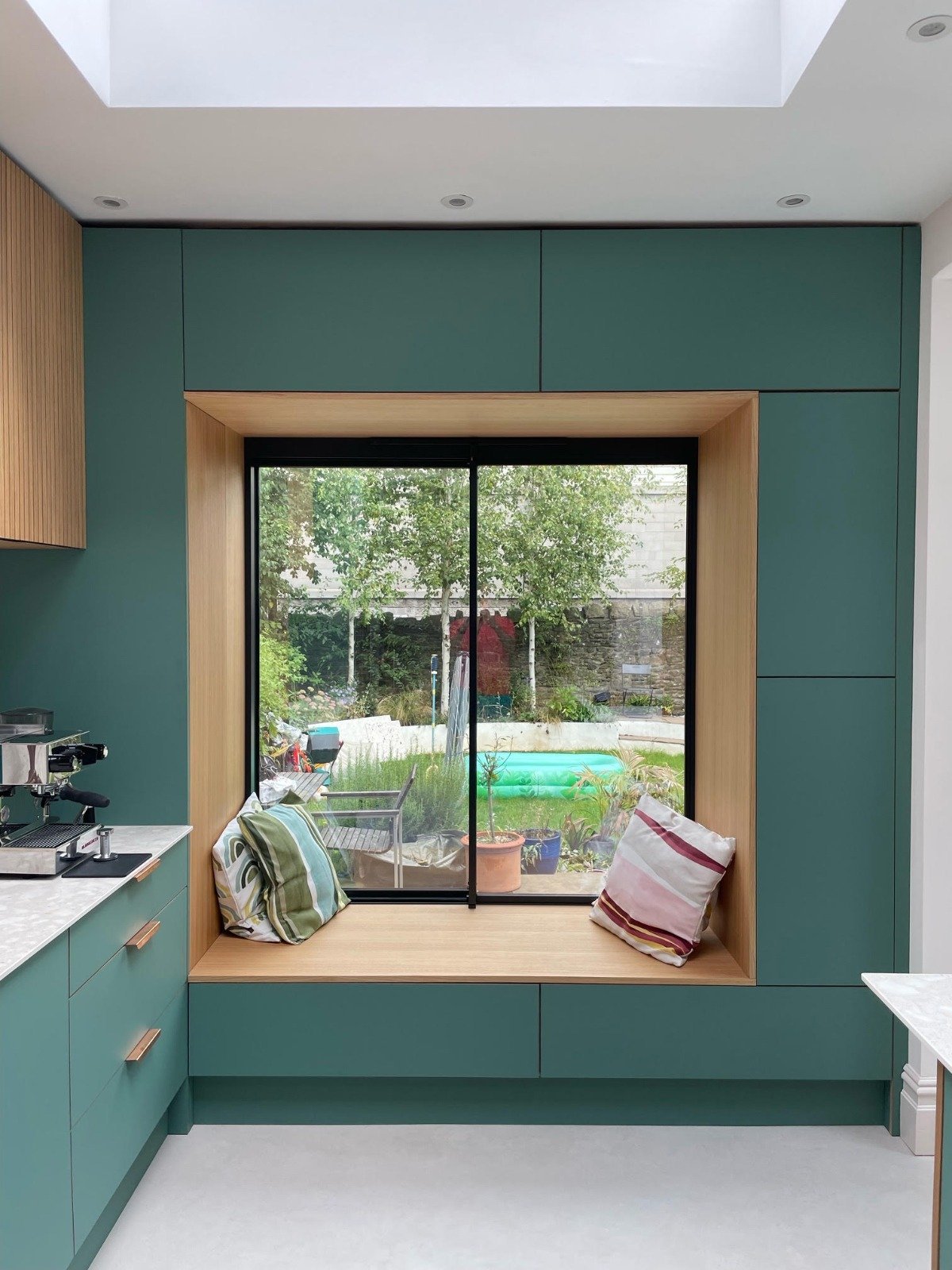
Yes, they are increasingly popular in kitchen and living room extensions where they provide light and views without expanding the building footprint significantly.
Do oriel windows add value to a home?
Contemporary oriel windows, especially frameless systems, are attractive architectural features that appeal to buyers of modern homes. They add perceived value through light, space and contemporary design.
Can Glideline supply oriel windows to installers?
Yes. Glideline manufactures bespoke oriel and frameless glazing systems for installers, architects and specifiers throughout the UK.
How do I request an oriel window quote?
Prepare your project information (drawings, dimensions, specification) and contact Glideline. The team will arrange a site survey and provide a detailed quotation based on your actual project requirements.